Custom embroidered patches are one of the most popular ways to show identity, brand, or style. They are used by businesses, clubs, schools, sports teams, military groups, and fashion brands. Compared to printing directly on fabric, patches last longer, look richer, and can be used on many items.
This guide explains custom embroidered patches in detail and compares different types so you can choose the right one for your needs.
What Are Custom Embroidered Patches?
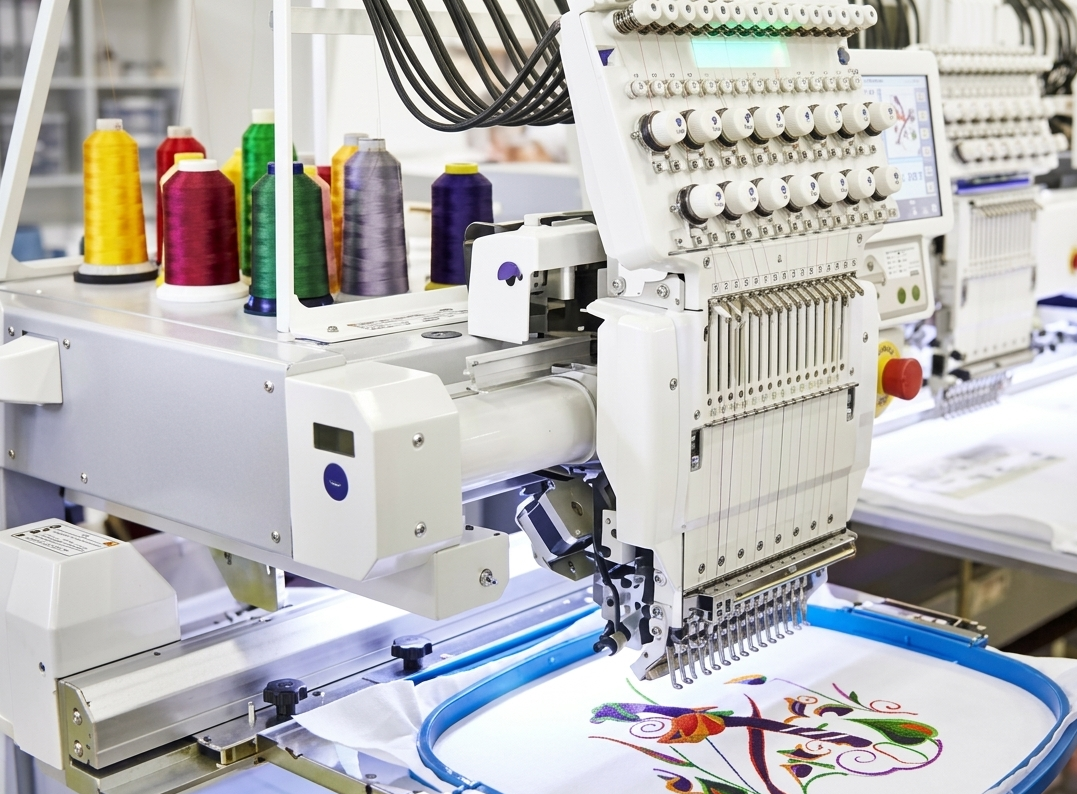
Custom embroidered patches are made by stitching colored threads onto a fabric base to form a design, logo, or text. The design is created digitally first, then stitched using embroidery machines. These patches are later attached to clothing, bags, hats, jackets, uniforms, and more.
They are known for their raised texture, strong colors, and long life.
Types of Custom Embroidered Patches
Iron-On Patches
These patches have heat-activated glue on the back.
Best for: Quick use, fashion, casual clothing.
Not ideal for: Heavy washing or thick fabrics.
Sew-On Patches
These are stitched directly onto fabric.
Best for: Uniforms, jackets, backpacks, long-term use.
Most durable option.
Velcro Patches
These attach using hook-and-loop backing.
Best for: Military, police, tactical gear.
Easy to remove and change.
Adhesive Patches
These use sticky backing.
Best for: Temporary use, events, promotions.
Not long-lasting.
Patch Border Styles Compared
Merrowed Border
Thick stitched edge around patch.
Best for: Simple shapes like circles and rectangles.
Heat Cut Border
Laser cut edge for complex shapes.
Best for: Custom shapes and fine details.
Patch Coverage Comparison
Full Embroidery
Entire patch is stitched.
Best for: Premium look, bold design.
Higher cost.
Partial Embroidery
Only main parts stitched, rest fabric.
Best for: Lower cost, simple logos.

Backing Types Compared
| Backing Type | Strength | Best Use |
| Iron-On | Medium | Casual wear |
| Sew-On | Very High | Uniforms |
| Velcro | High | Tactical gear |
| Adhesive | Low | Temporary use |
Materials Used
- Twill fabric base
- Polyester or rayon thread
- Cotton backing (in some styles)
Quality material makes patches last longer and look better.
Uses of Custom Embroidered Patches
- Company uniforms
- School badges
- Sports teams
- Biker clubs
- Fashion brands
- Military and police
- Events and promotions
Patches are flexible and reusable, making them better than direct printing.
Cost Comparison
Price depends on:
- Size
- Stitch count
- Quantity
- Border type
- Backing type
Small patches with simple design cost less. Large patches with full embroidery cost more. Bulk orders always reduce price per piece.
Embroidered Patches vs Other Patch Types
Embroidered vs Woven Patches
Embroidered patches have thick texture.
Woven patches have flatter look and more detail.
Embroidered vs Printed Patches
Embroidered patches last longer and look richer.
Printed patches are cheaper but fade faster.
Embroidered vs PVC Patches
PVC patches are waterproof and rubber-like.
Embroidered patches look classic and formal.
How to Choose the Right Patch
Consider:
- Where it will be used
- How often it will be washed
- Design detail level
- Budget
- Attachment method
For uniforms, choose sew-on. For fashion, iron-on works well. For tactical gear, Velcro is best.
Common Mistakes to Avoid
- Too much detail for embroidery
- Choosing wrong backing
- Wrong size
- Low-quality thread
- Not checking sample
Always test one sample before bulk order.
FAQs – Custom Embroidered Patches
1. What is the best backing for long-term use?
Sew-on backing is the strongest and most durable.
2. Can embroidered patches be washed?
Yes, but gentle washing keeps them looking new longer.
3. Are custom patches expensive?
Prices depend on size and stitches. Bulk orders are affordable.
4. Can I order small quantities?
Many suppliers offer low minimum orders.
5. What file format is best for patch design?
AI, PDF, EPS, or high-quality PNG files work best.
6. How long does production take?
Usually 5 to 10 working days, depending on order size.
Final Thoughts
Custom embroidered patches offer style, strength, and flexibility. Compared to printed designs, they last longer and look more premium. By comparing types, borders, backings, and materials, you can easily choose the right patch for your brand, team, or fashion project. They are a smart investment for anyone who wants long-lasting and attractive fabric branding.