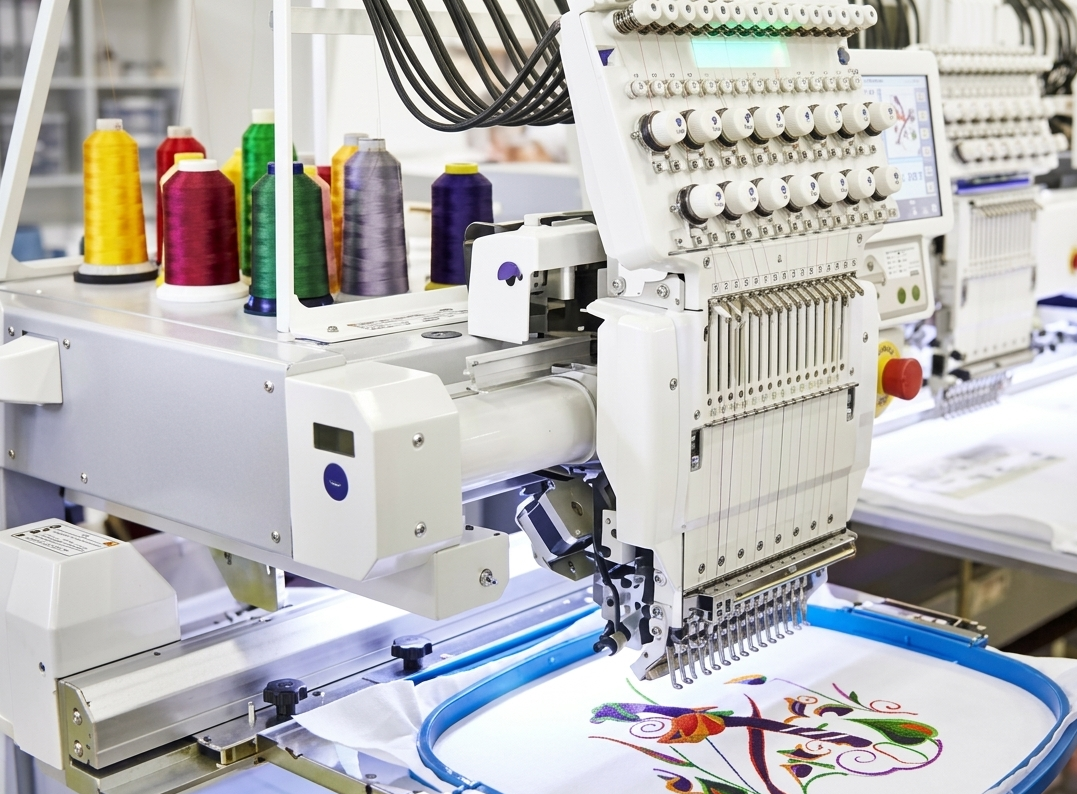
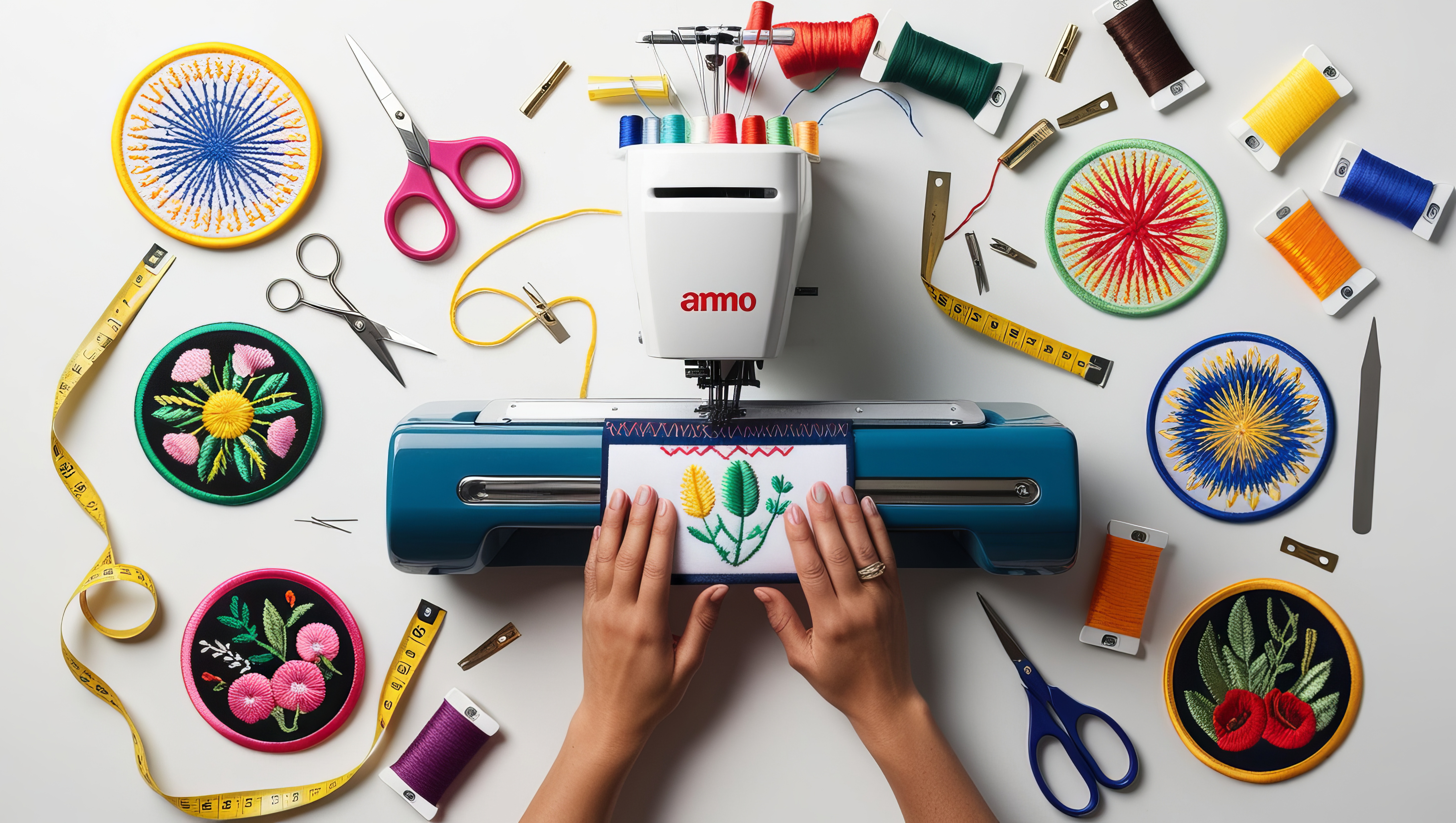
Creating your own embroidery design is one of the most rewarding parts of needlework. Whether you are a beginner or an experienced crafter, learning how to make embroidery pattern gives you full creative control over your projects. From simple floral sketches to detailed artistic layouts, a well-made pattern sets the foundation for beautiful stitching.
Today, with both traditional and digital methods available, you can even make embroidery pattern online without needing advanced drawing skills.
What is an Embroidery Pattern?
An embroidery pattern is a guide or design that you transfer onto fabric before stitching. It helps you maintain shape, proportion, and design accuracy while working.
Patterns can be:
- Hand-drawn
- Printed
- Digitally created
- Traced from existing artwork
Different Methods to Make Embroidery Pattern
Below is a quick comparison of popular methods:
| Method | Difficulty Level | Tools Required | Best For |
| Hand Drawing | Medium | Pencil, paper | Custom designs |
| Tracing | Easy | Tracing paper, light source | Beginners |
| Printable Patterns | Easy | Printer, paper | Clean & repeatable designs |
| Digital Design | Medium | Software/tools | Advanced & detailed work |
| Transfer Pens/Pencils | Easy | Fabric pens | Quick fabric transfer |
Step-by-Step Guide to Make Embroidery Pattern
1. Choose Your Design
Start with a simple design like flowers, leaves, or geometric shapes. If you’re new, avoid overly complex details.
2. Sketch or Select Artwork
You can draw your design on paper or choose an image to work from. Keep lines clean and clear for easy stitching.
3. Refine the Pattern
Adjust size, spacing, and details. Make sure the design fits your fabric area.
4. Transfer the Pattern
Use one of these methods:
- Tracing using light (window/lightbox)
- Carbon paper transfer
- Printable design transfer
5. Prepare for Stitching
Secure your fabric in a hoop and begin stitching over the transferred design.
How to Make Embroidery Pattern Online
If you prefer digital tools, you can easily make embroidery pattern online using design platforms. These tools allow you to:
- Upload images
- Convert them into line art
- Adjust size and details
- Print ready-to-use patterns
This method is especially useful for creating clean, professional-looking designs without hand drawing.
Tips for Better Embroidery Patterns
- Keep lines simple and visible
- Avoid overcrowding your design
- Use contrast for better visibility on fabric
- Test your pattern on scrap fabric first
- Choose designs that match your skill level
Pros and Cons of Making Your Own Embroidery Pattern
Pros
- Full creative freedom
- Cost-effective
- Unique, personalized designs
- Flexible sizing and customization
Cons
- Time-consuming for beginners
- Requires practice to perfect
- Mistakes can affect final stitching
- Digital tools may have a learning curve
Common Mistakes to Avoid
- Using overly complex designs as a beginner
- Transferring patterns with unclear lines
- Ignoring fabric type and texture
- Not testing pattern placement
- Choosing incorrect tools for transfer
Why Learning Pattern Making Matters
When you learn to make embroidery pattern, you’re not limited to pre-made designs. You can:
- Turn your ideas into art
- Customize gifts and projects
- Build a unique embroidery style
- Improve overall stitching precision
FAQs
1. What is the easiest way to make embroidery pattern?
Tracing a simple design is the easiest method for beginners.
2. Can I make embroidery pattern online for free?
Yes, many tools allow you to create and print patterns easily.
3. Do I need drawing skills to create patterns?
No, you can trace or use digital tools instead.
4. What paper is best for embroidery patterns?
Lightweight paper or tracing paper works best.
5. How do I transfer pattern onto fabric?
You can use tracing, carbon paper, or transfer pens.
6. Can I reuse embroidery patterns?
Yes, printable and digital patterns can be reused multiple times.
7. What type of fabric works best?
Cotton and linen are ideal for beginners.
8. How do I make patterns more visible on dark fabric?
Use white or light-colored transfer pens.
9. Is digital pattern making better than hand drawing?
Both have advantages; digital is cleaner, hand drawing is more personal.
10. How long does it take to create a pattern?
Simple patterns take minutes; detailed ones can take hours.
Conclusion
Learning how to make embroidery pattern opens endless creative possibilities. Whether you prefer traditional sketching or want to make embroidery pattern online, both approaches offer flexibility and control over your designs. Start simple, practice regularly, and gradually explore more complex styles. With time, you’ll be able to create patterns that truly reflect your creativity and skill.