In today’s competitive market, branding is everything. Businesses and individuals are constantly looking for creative ways to stand out, and image embroidery has become one of the most powerful methods to achieve a professional and lasting impression. Whether it’s for uniforms, merchandise, or personal projects, embroidery offers durability and a premium finish that printing alone often cannot match.
At the same time, custom image embroidery and image embroidery & screen printing are gaining attention for delivering both creative design and practical value in one solution. . This guide explores everything you need to know, including benefits, limitations, and how to choose the right approach.
What is Image Embroidery?
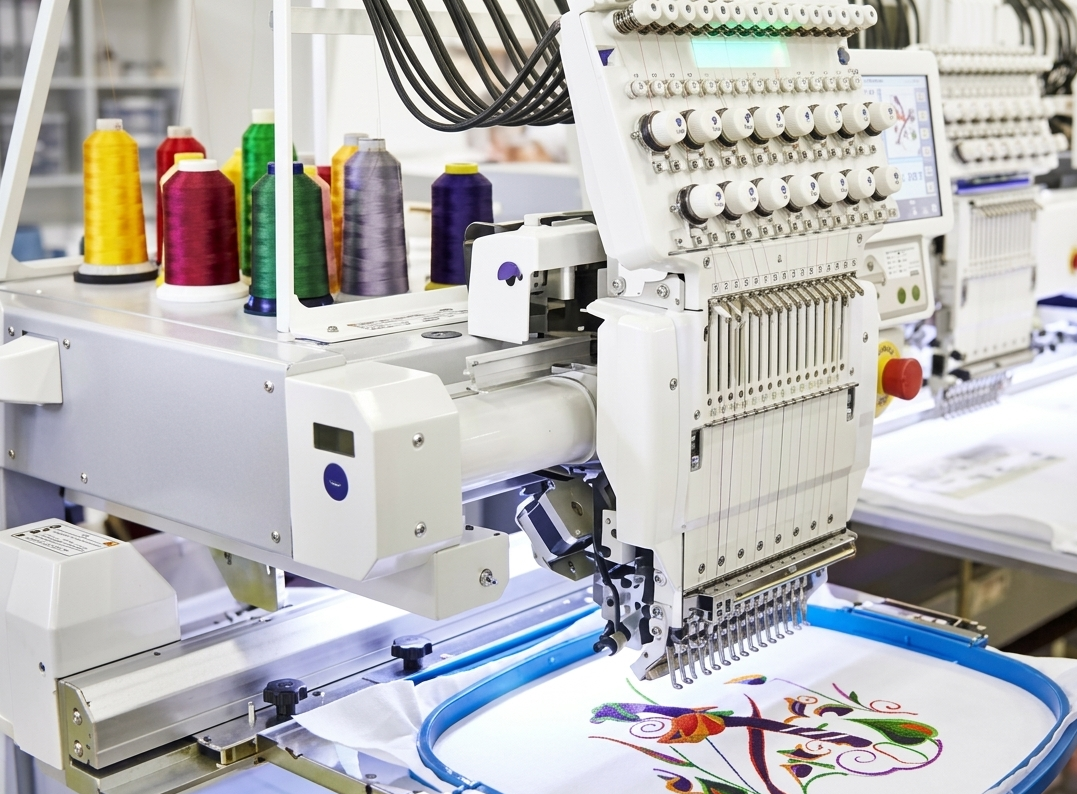
Image embroidery is the process of converting a digital image or design into stitched artwork using specialized embroidery machines. Instead of printing ink on fabric, threads are used to recreate the design, giving it texture, depth, and long-lasting quality.
This technique is widely used for:
- Company logos on uniforms
- Personalized gifts
- Fashion branding
- Sports team apparel
Why Custom Image Embroidery is in Demand
The demand for custom image embroidery is growing because it offers a unique and professional look. Unlike generic designs, custom embroidery allows you to bring your exact vision to life.
Key reasons behind its popularity:
- Strong brand identity
- High durability compared to prints
- Premium appearance
- Suitable for multiple fabric types
Image Embroidery vs Screen Printing
Many people compare embroidery with printing methods like screen printing. Both have their advantages depending on the purpose.
Comparison Table
| Feature | Image Embroidery | Screen Printing |
| Durability | Long-lasting, does not fade easily | Can fade after multiple washes |
| Appearance | Premium, textured finish | Smooth and flat |
| Cost | Higher for complex designs | Cost-effective for bulk orders |
| Detail Level | Limited for very fine details | Better for detailed graphics |
| Fabric Compatibility | Works best on thick fabrics | Works on most fabric types |
For many businesses, combining both methods through image embroidery & screen printing provides the best results—embroidery for logos and printing for larger designs.
Benefits of Image Embroidery
1. Professional Look
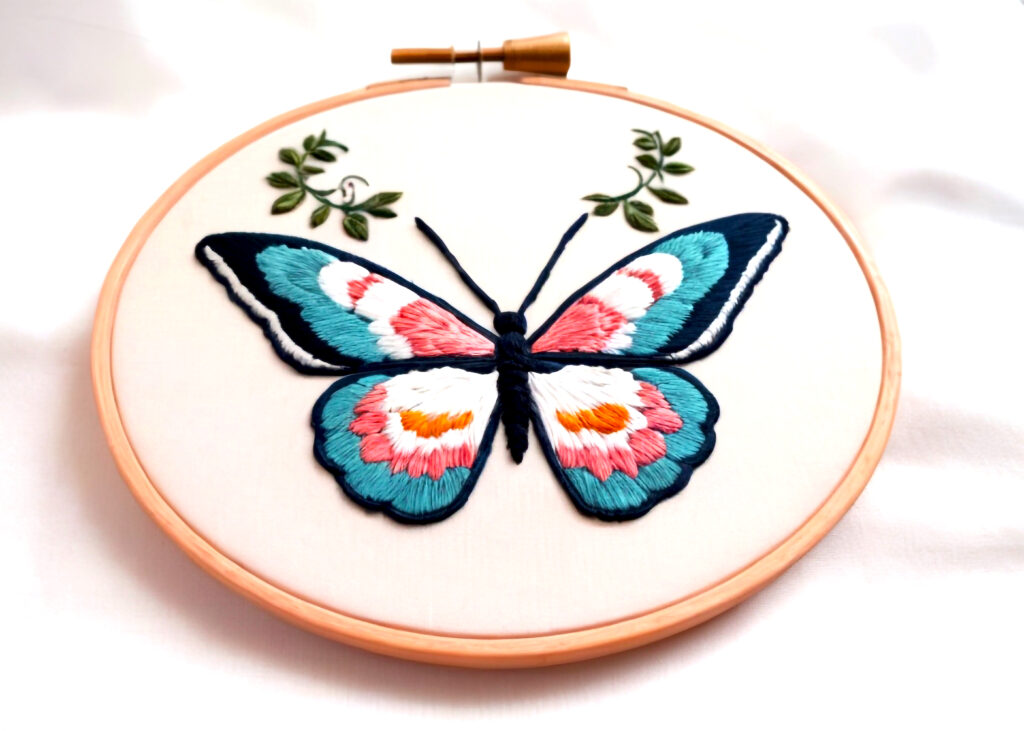
Embroidery adds a high-end feel that enhances brand credibility. It’s often used by corporate brands to maintain a polished image.
2. Long-Lasting Quality
Unlike printed designs, embroidery does not crack or peel over time. It remains intact even after repeated washing.
3. Versatility
From caps and jackets to bags and shirts, embroidery works on a wide range of materials.
4. Strong Brand Identity
A well-embroidered logo leaves a lasting impression and helps customers recognize your brand easily.
Limitations of Image Embroidery
1. Cost for Complex Designs
Highly detailed or large designs can increase production costs.
2. Limited Fine Detail
Very small text or intricate patterns may not translate perfectly into stitches.
3. Not Ideal for Large Artwork
Embroidery works best for smaller designs like logos rather than full-shirt graphics.
Pros and Cons of Image Embroidery
Pros
- Durable and long-lasting
- Premium and professional appearance
- Great for branding and logos
- Works well on thick fabrics
Cons
- Higher cost for detailed designs
- Not suitable for very large images
- Limited color blending compared to printing
When to Choose Image Embroidery & Screen Printing Together
Using image embroidery & screen printing together can give you the best of both worlds. For example:
- Embroider logos on uniforms for a premium look
- Use screen printing for larger designs or promotional graphics
- Combine both for cost-effective branding solutions
This approach is especially useful for businesses that want both durability and visual impact.
Tips for Getting the Best Embroidery Results
To achieve high-quality results, consider the following:
- Use high-resolution images for better stitching accuracy
- Keep designs simple for cleaner output
- Choose the right fabric based on your design
- Work with experienced professionals
These steps ensure that your custom image embroidery looks sharp and professional.
FAQs
1. What is the difference between image embroidery and printing?
Embroidery uses threads to create designs, while printing uses ink. Embroidery is more durable and premium in appearance.
2. Can any image be converted into embroidery?
Most images can be converted, but very detailed designs may need adjustments for better results.
3. Is image embroidery expensive?
The cost depends on design complexity, size, and quantity. Simple logos are usually affordable.
4. How long does embroidery last?
Embroidery can last for years without fading or damage if properly maintained.
5. Which fabrics are best for embroidery?
Cotton, denim, and polyester are commonly used fabrics for embroidery.
6. Can embroidery be used for large designs?
It is better suited for smaller designs like logos rather than full-size prints.
7. What is custom image embroidery?
It is the process of creating personalized embroidered designs based on your specific image or logo.
8. Is screen printing better than embroidery?
It depends on your needs. Printing is better for large designs, while embroidery is ideal for logos and durability.
Conclusion
Image embroidery continues to be a reliable and professional choice for branding, fashion, and personal projects. With its durability, premium finish, and strong visual impact, it stands out as a long-term solution compared to standard printing methods.
Although it isn’t ideal for every design style, pairing it with image embroidery & screen printing helps you balance visual creativity with practical results. Whether you are a business owner or an individual, investing in custom embroidery can help you create designs that leave a lasting impression.