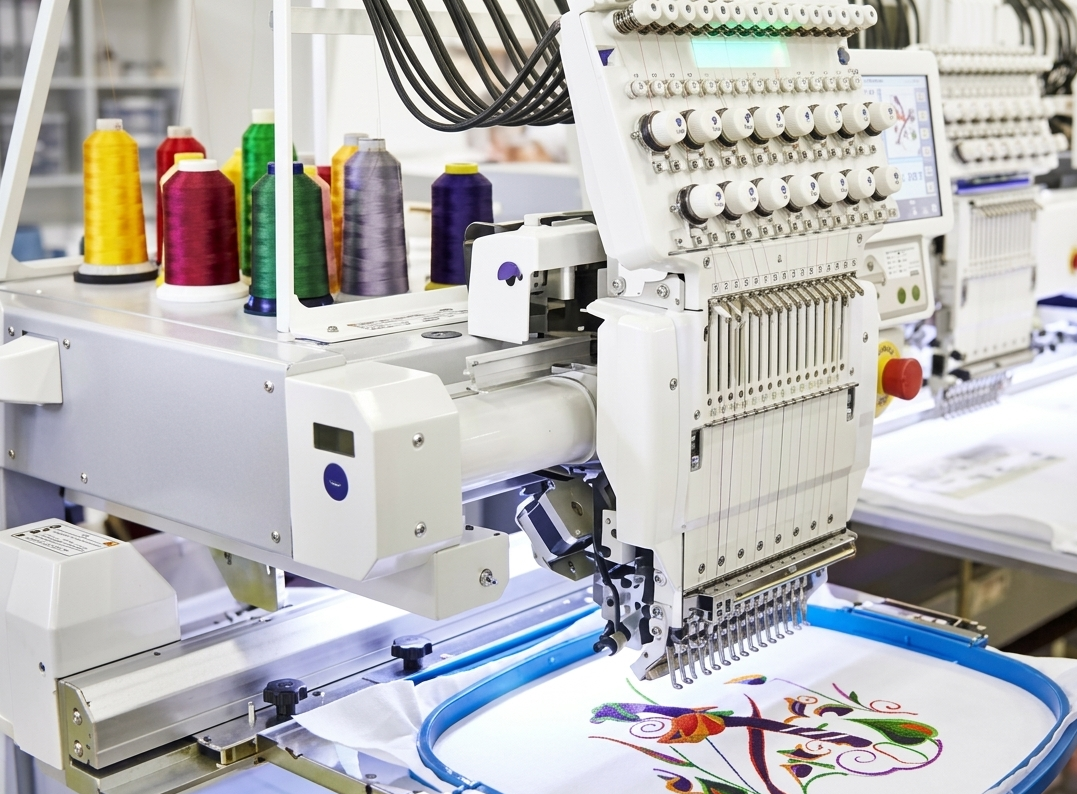

A strong logo for embroidery business is more than just a visual mark—it represents your brand identity stitched into fabric. Whether you’re branding uniforms, caps, or promotional items, your logo must be clean, scalable, and suitable for thread-based production. Unlike digital graphics, embroidery requires precision, simplicity, and proper formatting to ensure the final result looks sharp and professional.
Why Your Embroidery Logo Matters
The way your logo appears can strongly influence how your brand is viewed. In embroidery, that impression becomes physical—visible on garments, accessories, and merchandise. A poorly designed logo can look messy or unclear when stitched, while a well-prepared one enhances brand credibility and recognition.
Key Elements of a Good Embroidery Logo
| Element | Description |
| Simplicity | Clean shapes and minimal details work best for stitching |
| Bold Lines | Thick outlines ensure visibility on fabric |
| Limited Colors | Fewer thread colors reduce cost and improve clarity |
| Scalability | Design should look good in both small and large sizes |
| Readable Text | Avoid overly decorative fonts; keep text clear and legible |
How to Digitize Logo for Embroidery
To turn your design into a stitch-ready file, you need to digitize logo for embroidery. This process converts your image into a format that embroidery machines can read.
Steps to Digitization:
- Start with a high-quality logo design
- Simplify complex details
- Choose appropriate stitch types (satin, fill, run stitch)
- Assign thread colors
- Export into embroidery file formats like DST, PES, or EXP
Many businesses also prefer to digitise logo for embroidery using professional services to ensure accuracy and clean results.
Best Practices for Embroidery Logo Design
- Keep spacing between elements to avoid thread overlap
- Avoid gradients or shadows—they don’t translate well into stitches
- Use vector-based designs for better precision
- Test your design on different fabric types
- Maintain balance between design and stitch density
Pros and Cons of Embroidery Logos
Pros
- Long-lasting and durable branding
- Premium and professional appearance
- Ideal for uniforms and merchandise
- Enhances brand visibility offline
Cons
- Limited detail compared to print designs
- Higher production cost for complex logos
- Requires digitization before use
- Color limitations based on thread availability
Common Mistakes to Avoid
- Using thin lines that disappear when stitched
- Adding too many colors or small details
- Ignoring fabric type and texture
- Skipping the digitization process
- Choosing unreadable fonts
Tips to Improve Your Embroidery Logo
- Test your logo on sample fabric before bulk production
- Adjust size depending on placement (caps, shirts, jackets)
- Work with experienced digitizers for best results
- Keep your branding consistent across all materials
FAQs
1. What is a logo for embroidery business?
It is a specially designed logo optimized for stitching on fabric using embroidery machines.
2. Why do I need to digitize logo for embroidery?
Digitization converts your design into machine-readable stitch files.
3. Can any logo be used for embroidery?
Not all logos work well; designs often need adjustments for stitching.
4. What file format is used for embroidery?
Common formats include DST, PES, and EXP.
5. How many colors should an embroidery logo have?
Ideally 2–6 colors for better clarity and cost efficiency.
6. Is embroidery better than printing?
Embroidery offers durability and a premium look, while printing allows more detail.
7. How long does digitization take?
Usually a few hours to 1–2 days depending on complexity.
8. Can small text be embroidered?
Very small text may lose clarity; simple fonts work best.
9. What fabrics work best for embroidery?
Cotton, polyester, and denim are commonly used.
10. How much does it cost to digitise logo for embroidery?
Costs vary depending on complexity, size, and number of stitches.
Conclusion
Creating a professional logo for embroidery business requires careful planning and the right approach. From simplifying your design to properly digitizing it, every step plays a role in achieving a clean and high-quality stitched result. By following best practices and avoiding common mistakes, you can ensure your logo looks sharp, durable, and visually appealing on any fabric. A well-crafted embroidery logo not only strengthens your brand identity but also leaves a lasting impression on your audience.