Embroidery work is one of the most creative and relaxing crafts that allows you to turn simple fabric into beautiful designs. Whether you want to start as a hobby or explore online embroidery work opportunities, this skill offers endless possibilities. From traditional hand stitching to modern custom designs, embroidery continues to grow in demand across different industries.
In this guide, you will learn the basics of embroidery, tools you need, popular techniques, and how you can even earn through embroidery work from home.
What is Embroidery Work?
Embroidery work is the art of decorating fabric using needle and thread. It can be done by hand or with machines, depending on the design complexity. Many people search for custom embroidery work to personalize clothing, gifts, or business uniforms.
With the rise of digital platforms, you can now easily find embroidery work near me or even offer your services online to a global audience.
Essential Tools for Embroidery Work
To begin your journey, you don’t need expensive tools. Here are the basics:
| Tool | Purpose |
|---|---|
| Needle | Used to stitch designs on fabric |
| Embroidery Thread | Adds color and texture |
| Fabric | Base material for embroidery |
| Hoop | Keeps fabric tight while stitching |
| Scissors | For cutting threads neatly |
| Design Pattern | Guides your stitching |

Popular Types of Embroidery Work
There are different styles you can explore depending on your interest:
- Hand Embroidery – Traditional and creative
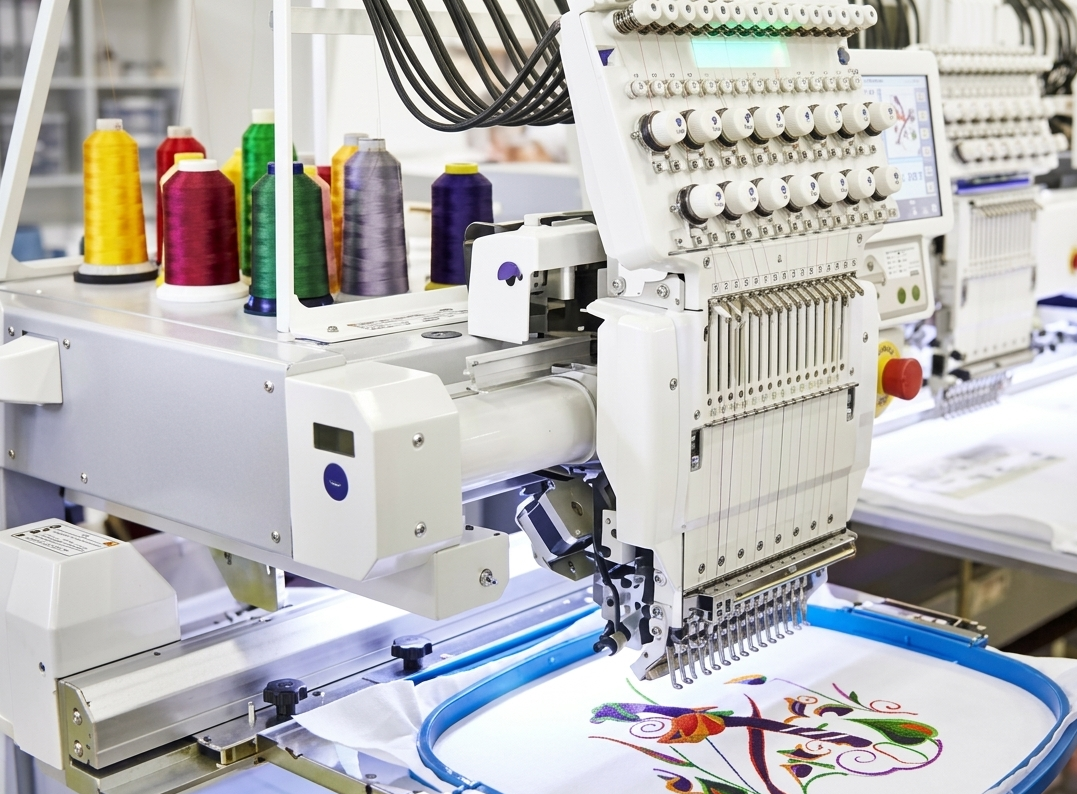
- Machine Embroidery – Faster and suitable for bulk work
- Custom Embroidery Work – Personalized designs for clients
- Digital Embroidery – Computer-based patterns for precision
Many small businesses today offer need embroidery work done services for uniforms, logos, and gifts.
Basic Embroidery Stitches You Should Learn
If you are a beginner, start with these simple stitches:
- Running Stitch
- Back Stitch
- Satin Stitch
- Chain Stitch
- Cross Stitch
Mastering these stitches will help you create professional designs and take your skills to the next level.
Steps to Start Embroidery Work
- Choose a simple design
- Place fabric in the hoop
- Thread your needle
- Start with basic stitches
- Follow the pattern carefully
- Finish and secure threads
Practice regularly to improve your stitching quality and speed.
Pros and Cons of Embroidery Work
Pros
- Easy to start with low investment
- Can be done from home
- High demand for custom designs
- Great for creativity and relaxation
- Opportunity to earn through online embroidery work
Cons
- Time-consuming for detailed designs
- Requires patience and practice
- Hand embroidery can be slow
- Eye strain with long working hours
How to Earn with Embroidery Work
Embroidery is not just a hobby—it can become a steady income source. Here are some ways to earn:
- Offer custom embroidery work for clients
- Sell handmade embroidered products
- Provide embroidery work from home services
- Start an online store or social media page
- Work with local businesses searching for embroidery work near me
With consistency and quality, you can build a strong customer base.
Tips to Improve Your Embroidery Skills
- Start with simple designs
- Use high-quality threads
- Keep your stitches even
- Practice daily
- Learn new patterns regularly
These small improvements can make your work look more professional and attractive.
FAQs
1. What is the easiest embroidery stitch for beginners?
The running stitch is the simplest and best for beginners.
2. Can I do embroidery work from home?
Yes, many people successfully run embroidery work from home businesses.
3. How can I find embroidery work near me?
You can search online or connect with local tailoring shops and businesses.
4. Is embroidery work profitable?
Yes, especially if you offer custom embroidery work and build a loyal client base.
5. Do I need a machine for embroidery work?
No, you can start with hand embroidery and upgrade later.
6. How long does it take to learn embroidery?
Basic skills can be learned in a few days, but mastery takes practice.
7. Can I sell embroidery online?
Yes, many platforms allow you to offer online embroidery work services.
8. What fabric is best for embroidery?
Cotton and linen are great choices for beginners.