
Embroidery is a wonderful way to add a personal, handcrafted touch to almost anything—from a simple cloth napkin to a favorite denim jacket. But for many, the first hurdle is the design itself. Where do you find that perfect motif? This guide is here to help you navigate the world of embroidery patterns, from understanding what makes a good design to finding the best resources, especially if you are just starting out.
What to Look for in an Embroidery Pattern
Before you download a pattern, it’s helpful to consider a few things to ensure a fun and successful stitching experience.
- Skill Level Indication: Good patterns are often labeled “beginner,” “intermediate,” or “advanced.” This is usually based on the types of stitches used and the complexity of the design.
- Clear Line Art: A pattern should have crisp, clear lines that are easy to trace or transfer onto your fabric. Fuzzy or overly complicated lines can lead to a frustrating transfer process.
- Stitch Guide or Suggestion: While not always included, a great pattern will often come with suggestions for which stitches to use where (e.g., “fill this area with satin stitch,” “outline this with backstitch”). This is incredibly helpful for beginners.
- Scale and Size: Consider where you want to place the finished embroidery. A pattern for a tiny brooch will be very different from one intended for the center of a throw pillow. Patterns usually indicate their finished size.
Top Resources for Free Embroidery Patterns
You don’t need to spend a lot of money to build a beautiful collection of designs. There is a vast world of free embroidery patterns available online. Here are some of the best places to find them:
| Resource Type | Examples | Best For… |
| DIY & Craft Blogs | Many independent craft bloggers offer free patterns as a thank-you to their readers. A simple search for “[design idea] embroidery pattern blog” can yield great results. | Unique, modern designs and supporting individual creators. |
| Fabric and Thread Companies | Brands like DMC or Cosmo often have extensive free libraries on their websites, featuring patterns from simple to complex. | High-quality, reliable patterns, often with suggested thread colors. |
| Pinterest is a visual search engine. Searching for terms like “free embroidery patterns pes” (for machine embroidery) or “hand embroidery patterns” will lead you to countless blog posts and resources. | Endless inspiration and discovering new pattern sources. | |
| Public Domain Archives | Websites like The Antique Pattern Library or the Internet Archive host digitized books of embroidery designs from the public domain. | Vintage, retro, and traditional designs with a classic feel. |
Getting Started: Simple Patterns for Beginners
If you are new to embroidery, selecting the right first project is key to building confidence. The best embroidery patterns for beginners share a few common traits: they use only a few basic stitches, have large, open areas to fill, and feature simple shapes.
Look for patterns with these characteristics:
- Simple Motifs: Think single flowers with large petals, leaves, geometric shapes, or a single word in a simple font.
- Basic Stitches: Patterns that primarily use the backstitch (for outlines), satin stitch (for filling), and french knots (for small details) are perfect for learning.
- Single-Layer Designs: Avoid patterns with lots of overlapping elements or tiny, intricate details at first.
A great starting project is a small floral sprig. You can outline the stem with a backstitch, fill a flower petal with a satin stitch, and add a french knot in the center. This one small design teaches you three fundamental techniques.
How to Download and Prepare Your Pattern
Once you’ve found a pattern you love, getting it ready to stitch is easy. Most digital patterns are provided as a PDF or an image file (like JPG or PNG).
- Download and Print: If you have a free embroidery patterns to download as a PDF, simply save it to your computer and print it at 100% scale. If it’s an image file, you can insert it into a document and print it to the correct size.
- Choose Your Transfer Method: There are several ways to get the design onto your fabric:
- Tracing: For light-colored fabrics, the easiest method is to tape your printed pattern to a window or lightbox, tape your fabric over it, and trace the lines with a water-soluble fabric pen or pencil.
- Transfer Paper: Use dressmaker’s carbon paper (in a light color for dark fabric) between your pattern and fabric, then trace over the lines with a stylus or empty ballpoint pen.
- Iron-on Transfers: Some patterns come as iron-on transfers. You simply iron them directly onto your fabric following the package instructions.
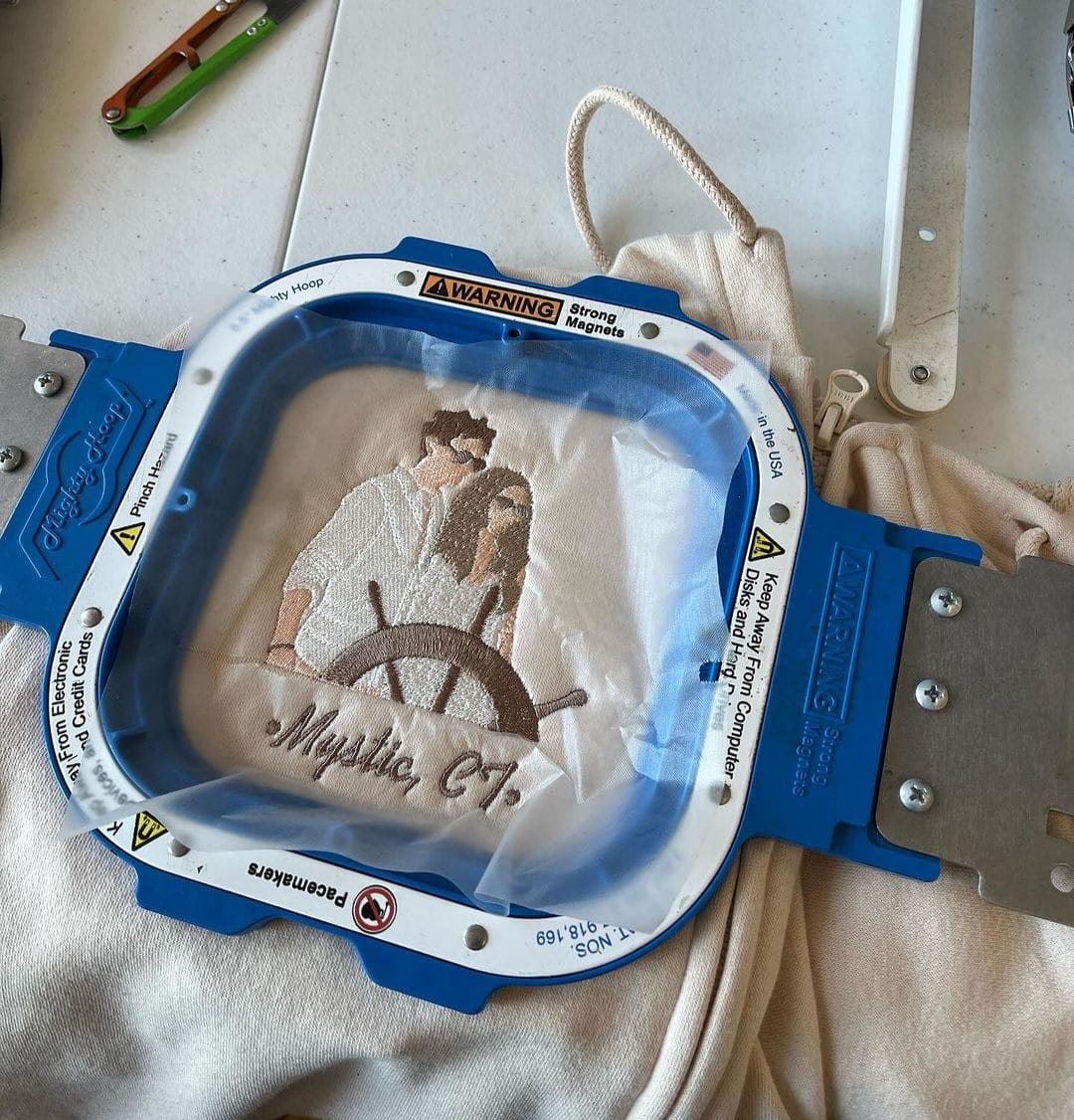
- Water-Soluble Stabilizer: As highlighted in the inspiration blog, you can trace your design onto a sticky, water-soluble stabilizer, stick it onto your fabric, stitch right through it, and then wash it away. This is excellent for dark, textured, or napped fabrics like velvet or fleece where other methods are difficult.
Frequently Asked Questions (FAQs)
1. What is the best fabric for beginners to use?
100% cotton fabric like quilting cotton or calico works best. It’s smooth, easy to handle, and holds stitches beautifully without stretching.
2. Can I resize an embroidery pattern?
Yes. Use photo editing software or adjust your printer settings to make the pattern larger or smaller.
3. What does “PES” mean in “free embroidery patterns pes“?
PES is a file format for machine embroidery. It tells an embroidery machine how to stitch the design automatically.
4. How do I transfer patterns onto dark fabric?
Use a white water-soluble pen with a lightbox, or try sticky water-soluble stabilizer. Regular tracing won’t show up on dark fabric.
5. My printed pattern lines are too thick. What should I do?
Trace the design onto thin paper with a fine-tipped pen first. Then use that as your master copy for transferring.
6. How many strands of floss should I use?
For outlines, 2-3 strands work well. For filling larger areas, you can use all 6 strands for a chunkier look.
7. Do I need an embroidery hoop?
Yes, a hoop keeps fabric taut and helps create even stitches. It’s highly recommended for beginners.
8. How do I remove pattern marks from fabric?
Most water-soluble pens disappear with a drop of water.Test on a scrap fabric piece before starting.
9. Where can I find free embroidery patterns for beginners?
Check craft blogs, DMC website, and Pinterest. Search for “simple embroidery patterns” or “free embroidery patterns to download.”
10. What’s the easiest stitch for beginners?
Backstitch is the easiest. It’s great for outlines and lettering. Once you master it, try satin stitch for filling shapes.
Conclusion
Finding the right embroidery pattern is the first and most exciting step in a creative journey. Whether you are looking for free embroidery patterns, designs specifically for a machine (like free embroidery patterns pes), or a simple project to build your skills with embroidery patterns for beginners, the resources are endless. Don’t be afraid to search, download, and experiment. With so many free embroidery patterns to download at your fingertips, the only thing left to do is pick one, grab a needle and thread, and start stitching something beautiful.