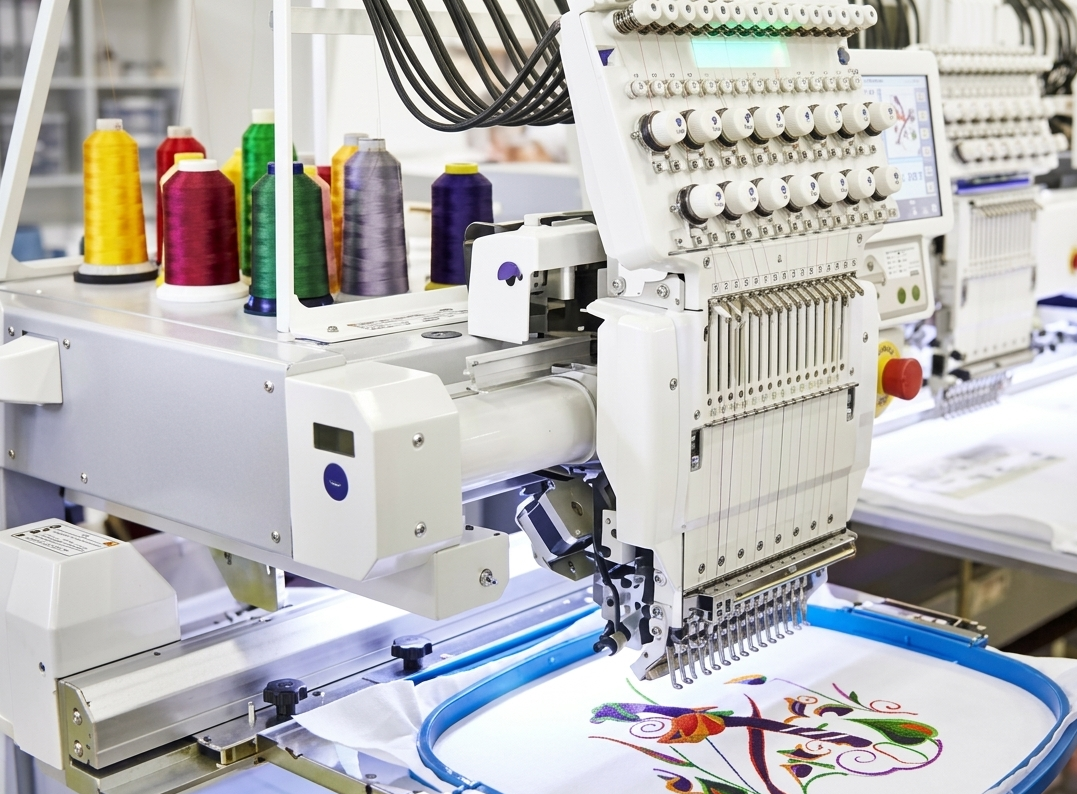
Embroidery digitising services play a key role in modern embroidery. Before any logo or design can be stitched by a machine, it must be converted into a special digital file. This process is called digitising. It transforms artwork into stitch paths that guide the embroidery machine with accuracy. Without proper digitising, even the best design will not stitch correctly.
Embroidery digitising is not just about tracing an image. It requires technical knowledge of fabrics, thread behavior, stitch types, and machine settings. A well-digitised design ensures clean lines, smooth curves, strong fills, and minimal thread breaks.
What Are Embroidery Digitising Services?
Embroidery digitising services convert logos, images, or text into embroidery-ready files such as DST, PES, EXP, and other machine formats. These files tell the embroidery machine where to stitch, how many stitches to use, and what stitch types to apply.
Professional digitising focuses on stitch density, underlay, pull compensation, and direction of stitching. These factors control how the design looks on real fabric, not just on a screen.
Why Digitising Quality Matters
Poor digitising leads to broken threads, puckering, gaps in stitching, and unclear details. High-quality digitising makes designs look sharp, professional, and consistent across different garments.
Every fabric behaves differently. Cotton, denim, caps, fleece, and leather all need different digitising techniques. A skilled digitiser adjusts settings to match the fabric so the design stitches smoothly.
Types of Embroidery Digitising
Embroidery digitising services cover many needs:
- Logo Digitising: For business branding on uniforms, caps, and jackets
- 3D Puff Digitising: Raised embroidery using foam for bold designs
- Cap Digitising: Special digitising for curved surfaces
- Applique Digitising: Fabric pieces stitched with embroidery
- Patch Digitising: For making embroidered patches
Each type requires a different approach to stitch angles, density, and layering.
The Digitising Process
The digitising process starts with artwork. This can be a JPG, PNG, PDF, or vector file. The digitiser studies the design and decides how it should be stitched.
First, the design is cleaned and adjusted for embroidery. Then stitch types such as satin, fill, and running stitches are assigned. Underlay stitches are added to support top stitches. Stitch direction is planned to control shine and texture.
After digitising, a test stitch is usually done. Any issues like gaps, overlaps, or distortion are corrected. The final file is then delivered in the required format.

Benefits of Professional Digitising Services
Professional embroidery digitising services save time and reduce mistakes. They produce files that run smoothly on machines with fewer thread breaks and better results.
Some main benefits include:
- Clean and accurate stitching
- Compatibility with different machines
- Better appearance on various fabrics
- Reduced production problems
- Consistent results every time
These benefits are important for embroidery businesses that handle large orders.
Who Needs Embroidery Digitising Services?
Many people and businesses use digitising services:
- Embroidery shops
- Clothing brands
- Promotional product companies
- Sports teams
- Schools and clubs
- Online apparel sellers
Anyone who wants professional embroidery needs proper digitising before stitching.
Choosing the Right Digitising Service
A good digitising service focuses on quality, not just speed. They understand stitch behavior, fabric types, and machine settings. They also provide revisions if changes are needed.
Look for services that offer:
- Experienced digitisers
- Multiple file formats
- Fast but careful delivery
- Affordable pricing
- Good customer support
Clear communication about design needs helps achieve the best results.
Common Mistakes in Digitising
Some common mistakes include using too many stitches, wrong stitch direction, poor underlay, and ignoring fabric type. These mistakes cause heavy designs, puckering, and poor detail.
Professional digitising avoids these issues by planning each part of the design carefully.
Conclusion
Embroidery digitising services are the foundation of quality embroidery. They turn simple artwork into stitch-ready files that machines can follow accurately. Good digitising makes designs look sharp, durable, and professional on any garment.
Whether for logos, caps, patches, or 3D puff designs, skilled digitising ensures that embroidery looks its best. Investing in proper digitising saves time, reduces waste, and delivers consistent results for every project.