Choosing the right decoration method for apparel is a key decision for clothing brands, workwear suppliers, and promotional merchandise businesses. Two of the most widely used techniques are screen printing and embroidery. Each method offers unique advantages depending on fabric type, design style, durability needs, and branding goals.
This guide explains the difference between screen printing and embroidery for apparel, helping businesses make an informed decision while achieving professional and consistent results.
Understanding Screen Printing for Apparel
Screen printing is a popular method where ink is pushed through a mesh screen onto fabric. Each colour in the design is applied separately, making it ideal for bold and vibrant artwork.

Benefits of Screen Printing
- Cost-effective for bulk apparel orders
- Produces bright, solid colours
- Ideal for large designs and graphics
- Works well on t-shirts, hoodies, and casual wear
Screen printing is widely used for promotional clothing, event merchandise, sportswear, and fashion collections where visual impact is essential.
Limitations of Screen Printing
- Not ideal for small order quantities
- Less durable than embroidery over long periods
- Fine details may fade with frequent washing
High-quality screen printing depends heavily on accurate artwork preparation and clean vector files.
What is Embroidery and How It Works
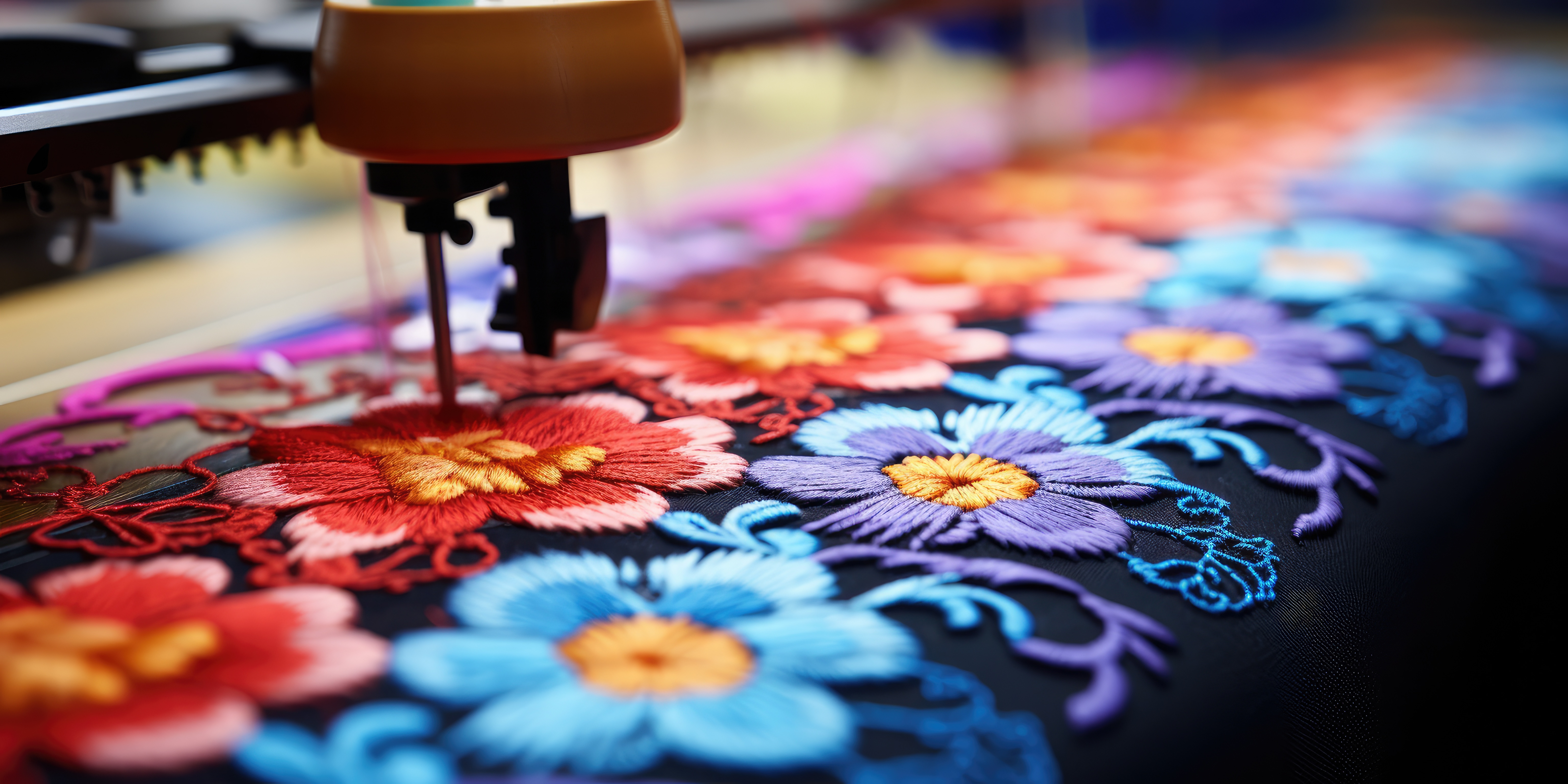
Embroidery involves stitching designs directly onto garments using threads. It is commonly used for logos, text, and professional branding on apparel.
Advantages of Embroidery
- Creates a premium and professional appearance
- Extremely durable and long-lasting
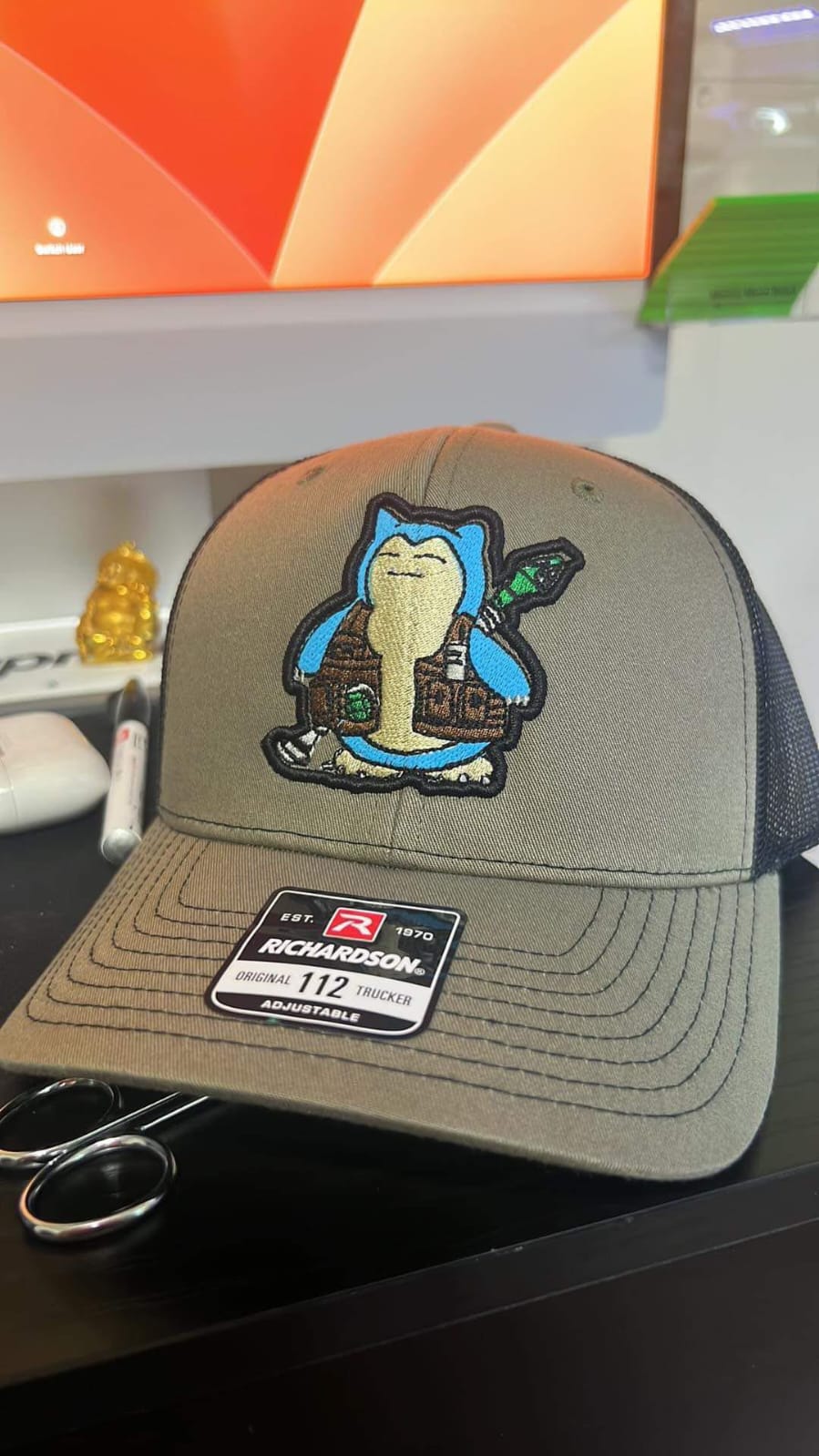
- Suitable for uniforms, caps, jackets, and workwear
- Resistant to fading and wear
Embroidery is often preferred by businesses that require a polished and corporate look for their apparel.
Limitations of Embroidery
- Higher cost for complex or large designs
- Not ideal for very lightweight fabrics
- Limited colour blending compared to printing
To achieve clean and consistent embroidery, designs must be digitised correctly before production.
Screen Printing vs Embroidery: Key Differences
Understanding the core differences helps businesses choose the right method based on their needs.
| Feature | Screen Printing | Embroidery |
| Appearance | Flat and smooth | Textured and raised |
| Durability | Moderate | Very high |
| Best For | Large graphics, bold designs | Logos, uniforms, branding |
| Fabric Types | Light to medium fabrics | Thick and structured fabrics |
| Cost | Lower for bulk orders | Higher for detailed designs |
Which Method is Better for Your Apparel Business?
There is no one-size-fits-all answer. The best option depends on your brand identity, target audience, and apparel type.
When to Choose Screen Printing
- You produce large quantities of apparel
- Your designs include bold colours or large artwork
- You focus on fashion or promotional clothing
- You want cost-effective production
Screen printing is ideal for seasonal campaigns, giveaways, and merchandise where visual appeal is the priority.
When to Choose Embroidery
- You supply corporate uniforms or workwear
- Your brand values durability and professionalism
- You need logos on caps, jackets, or polos
- You want a long-lasting decoration solution
Embroidery is the preferred choice for businesses that want their branding to look professional and remain intact over time.
The Importance of Digitising in Apparel Decoration
Digitising is a critical step in both embroidery and screen printing. For embroidery, digitising converts artwork into stitch data that embroidery machines can read. For screen printing, vector artwork ensures clean lines and accurate colour separation.
Professional digitising services help businesses:
- Maintain consistent quality
- Reduce production errors
- Improve final garment appearance
- Save time and material costs
Accurate digitising ensures that designs are production-ready and meet professional standards.
Why Apparel Businesses Use Both Methods
Many apparel businesses combine screen printing and embroidery to meet different customer requirements. For example:
- Embroidered logos for staff uniforms
- Screen-printed t-shirts for events or promotions
Using both methods allows brands to offer flexibility while maintaining consistent quality across different apparel products.
Professional Digitising Services for Printing and Embroidery
Working with a reliable digitising partner ensures that your designs are optimised for both screen printing and embroidery. High-quality digitising improves stitch accuracy, colour clarity, and overall production efficiency.
RiseDigitizing supports apparel businesses with:
- Professional embroidery digitising
- Print-ready vector artwork for screen printing
- Fast turnaround times
- Consistent and reliable results
These services help brands produce apparel that meets industry standards and customer expectations.
Screen Printing and Embroidery for Branding Success
Brand visibility depends on quality and consistency. Screen printing delivers strong visual impact for marketing apparel, while embroidery reinforces brand credibility on professional garments.
Choosing the right decoration method strengthens brand recognition and enhances customer trust. When combined with professional digitising, both techniques deliver outstanding results for apparel businesses.
Final Thoughts
Screen printing and embroidery each play an important role in apparel decoration. Screen printing is ideal for bold, creative designs and large orders, while embroidery offers unmatched durability and a professional finish. Understanding your fabric, design, and audience will guide you to the right solution.
By using professional digitising services and choosing the correct decoration method, apparel businesses can produce high-quality garments that reflect their brand identity.