In today’s fashion and branding world, embroidered designs have become a popular way to make clothing, uniforms, and accessories stand out. But have you ever wondered how a logo, text, or design gets perfectly stitched on fabric? The answer lies in embroidery digitising. If you’re searching for “embroidery digitising near me”, this guide will explain everything—from what it is, how it works, and why it’s essential, to tips for finding the best local digitising services.
What is Embroidery Digitising?
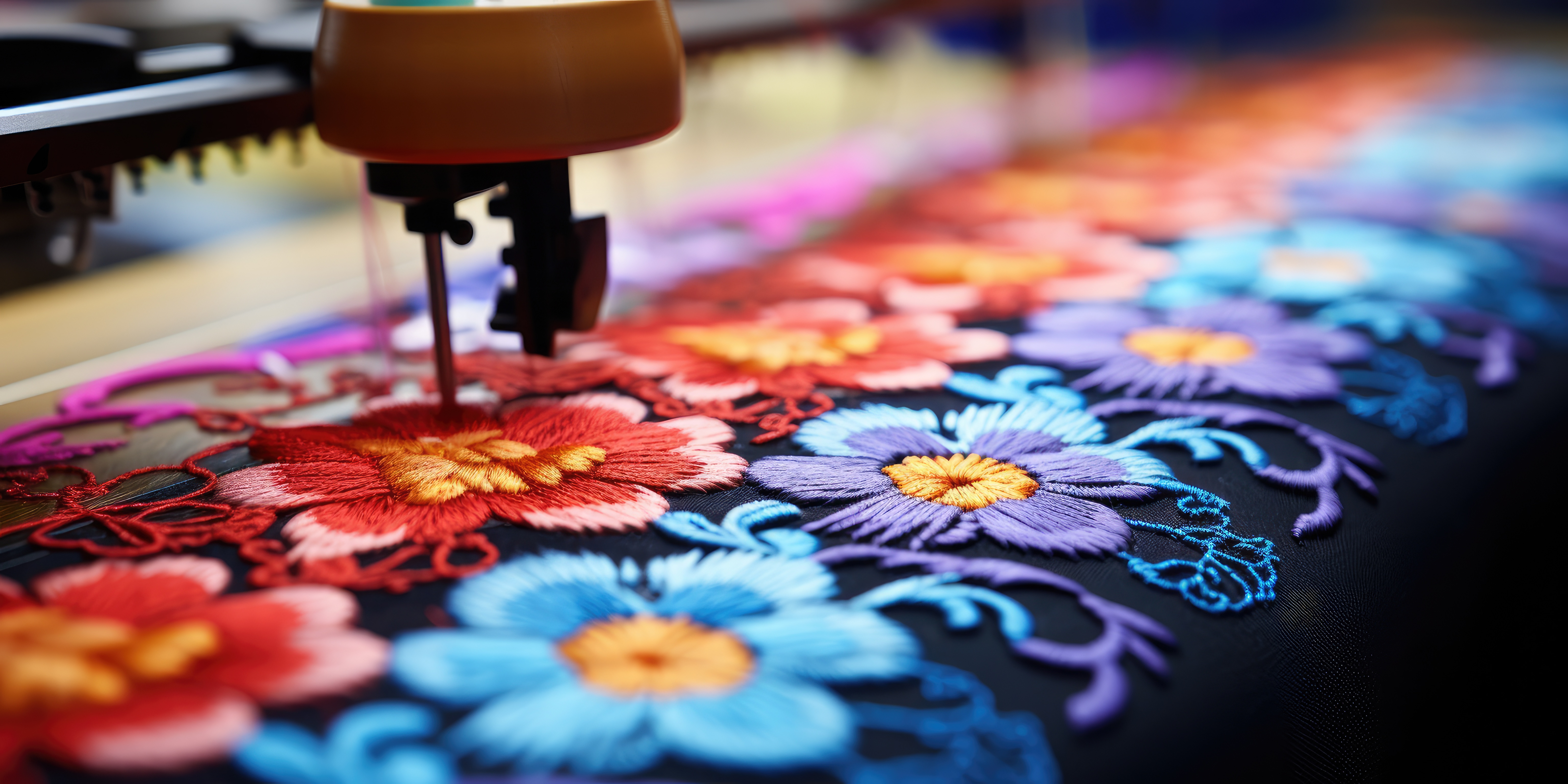
Embroidery digitising is the process of converting a digital image or logo into a format that an embroidery machine can read and stitch. The process involves turning every line, curve, and color in a design into a set of machine instructions called “stitches.”
Without digitising, an embroidery machine cannot accurately replicate a design. It’s what ensures that every logo, text, or graphic looks professional, crisp, and consistent on any garment.
Why is Embroidery Digitising Important?
Choosing professional embroidery digitising services is crucial for several reasons:
- Precision and Accuracy – Digitising ensures that every detail of your design is replicated accurately, no matter how small or intricate.
- Time Efficiency – A well-digitised design reduces unnecessary stitching, which saves time and prevents fabric damage.
- Consistency Across Products – Whether you’re producing 10 shirts or 1,000, digitising guarantees that every product looks identical.
- Fabric Adaptability – Different fabrics such as cotton, polyester, or denim require different stitch types and densities, which digitising accounts for.
The Process of Embroidery Digitising
Professional embroidery digitising involves multiple steps:
1. Analyzing the Design
The first step is reviewing the logo or artwork. Complex designs, gradients, and fine details may need simplification for embroidery purposes.
2. Selecting Stitch Types
There are several types of stitches used for embroidery:
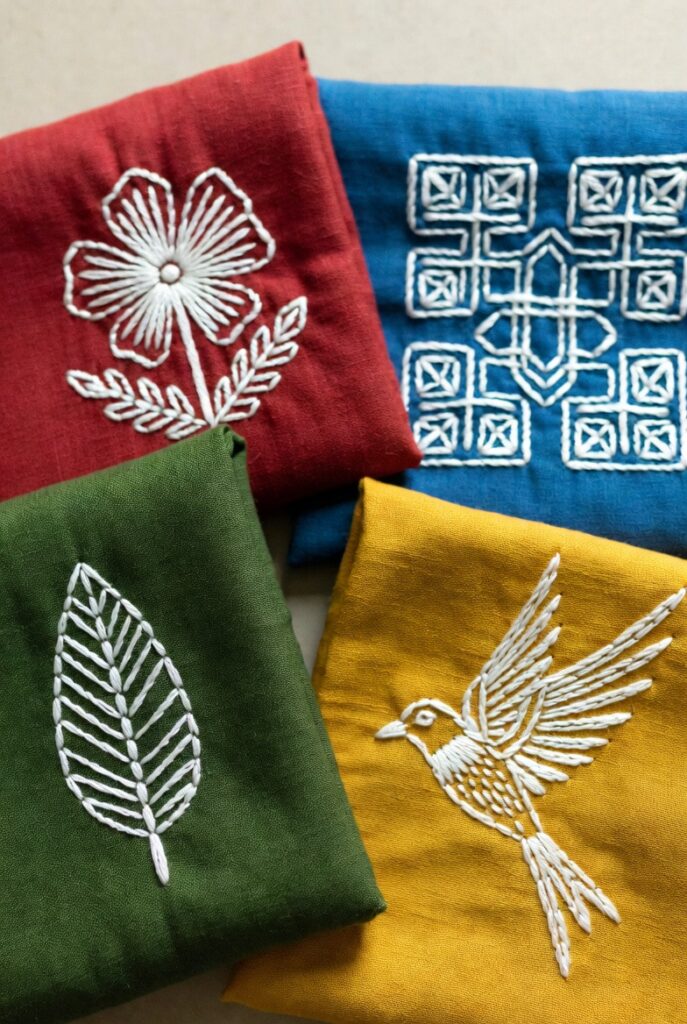
- Satin Stitch – Perfect for letters and outlines.
- Fill Stitch – Ideal for larger areas and shapes.
- Running Stitch – Best for fine details and small patterns.
3. Setting Stitch Direction
The direction of stitches impacts the texture and appearance of the design. Proper stitch angles ensure smooth and professional finishing.
4. Determining Stitch Density
Stitch density refers to how tightly stitches are packed. Too dense, and the fabric may pucker; too loose, and the embroidery can look uneven. Professional digitising sets the correct density for durability and aesthetics.
5. Test Stitching
Before mass production, a sample is stitched to check for accuracy, thread tension, and alignment. Any necessary adjustments are finalized to ensure perfect results.
Benefits of Embroidered Designs
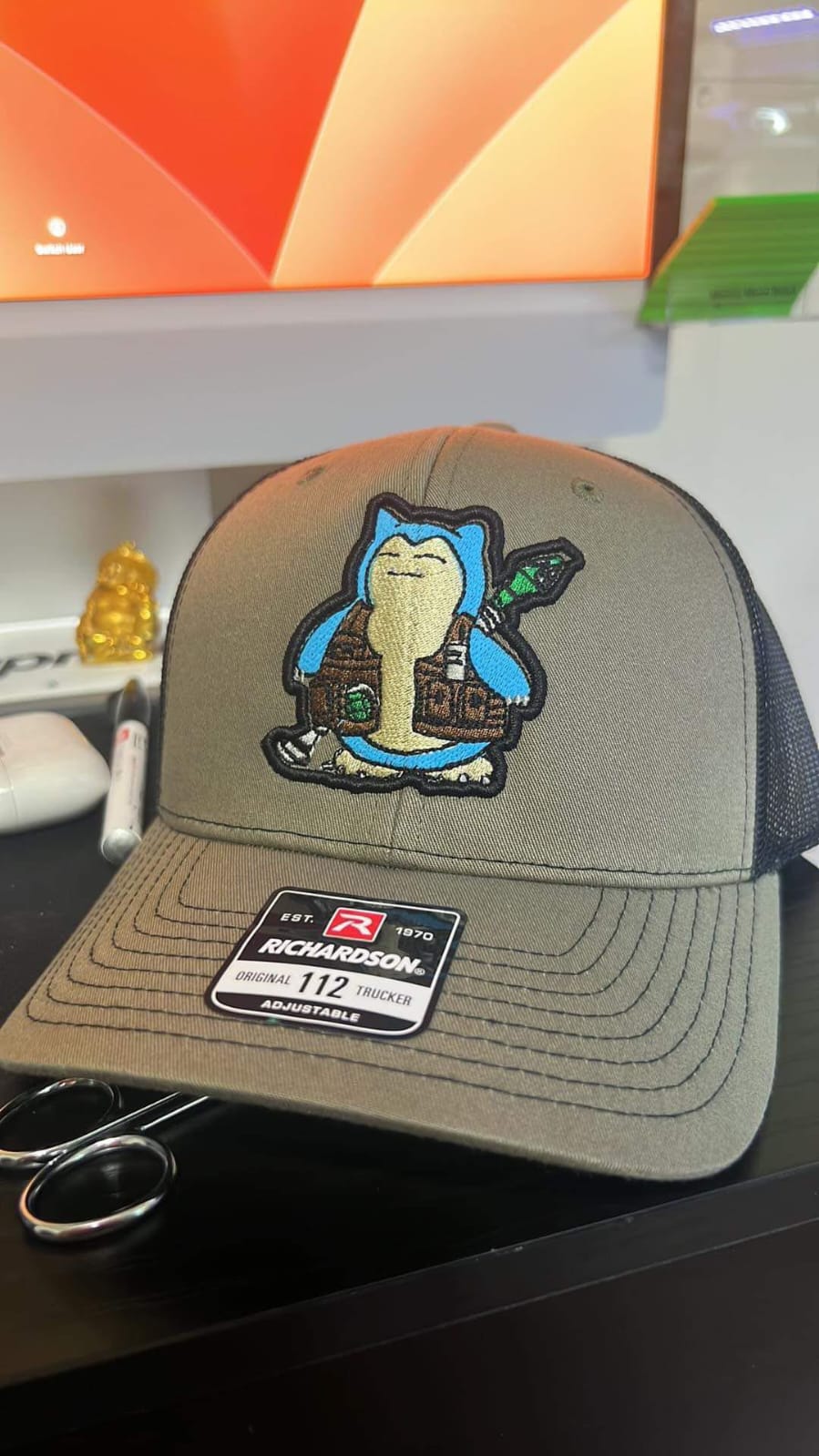
- Professional Look – Embroidery adds a premium, textured appearance to uniforms, T-shirts, caps, and promotional items.
- Durability – Unlike prints, embroidery doesn’t peel or fade easily, making it long-lasting.
- Brand Recognition – Embroidered logos stand out and create a strong impression.
- Versatility – Embroidery can be applied to a wide range of items, including clothing, bags, hats, and accessories.
Applications of Embroidery Digitising
- Corporate Uniforms – For companies looking to brand their staff uniforms professionally.
- Sports Apparel – Team logos, numbers, and emblems on jerseys and jackets.
- Promotional Merchandise – Branded products like hats, bags, and shirts for marketing campaigns.
- Fashion and Retail – Custom designs for boutique or retail clothing collections.
- Schools and Colleges – Student uniforms, event apparel, and team gear.
How to Find the Best “Embroidery Digitising Near Me”
When searching for local digitising services, consider the following tips:
- Check Experience and Portfolio – Look for companies that have experience in your industry and showcase their previous work.
- Ask About Software and Equipment – Professional digitising companies use advanced software and machines for precise results.
- Read Reviews and Testimonials – Customer feedback can give insight into quality, turnaround times, and reliability.
- Request a Sample – A test stitch ensures the company can accurately reproduce your design.
- Compare Pricing – Affordable pricing is important, but don’t compromise on quality.
Tips for High-Quality Embroidery
- Use high-resolution logos for clearer digitising.
- Simplify overly complex designs to maintain clarity.
- Choose appropriate fabric and thread colors for the best visual effect.
- Work with professional digitising services for optimal stitch type, density, and direction.
- Plan your design placement on garments carefully to enhance visibility and aesthetics.
Conclusion
If you’re looking for “embroidery digitising near me”, understanding the process is the first step to ensuring high-quality, professional embroidery on your clothing or merchandise. From precision and durability to consistency and aesthetic appeal, embroidery digitising transforms your digital logos into long-lasting stitched designs.
By working with professional local services, you can achieve outstanding results on uniforms, promotional items, or fashion apparel, helping your brand or team make a lasting impression.