
Embroidery has evolved far beyond simple needlework. Today, businesses, designers, and hobbyists use a custom embroidery pattern to transform personal ideas, sketches, and logos into detailed stitched designs. Whether it’s a brand logo on uniforms or decorative art on clothing, custom embroidery patterns allow complete creative control.
Many artists begin with a simple drawing or digital sketch and gradually refine it into an embroidery-ready format. The process may look simple on the surface, but creating a professional embroidery pattern involves thoughtful planning, digitizing techniques, and careful attention to fabric and stitch types.
This article explores how custom embroidery patterns are created, why they matter, and how modern embroidery methods compare to traditional design approaches.
Understanding Custom Embroidery Patterns
A custom embroidery pattern is a design specifically prepared for embroidery machines or manual stitching. Unlike standard graphic files, embroidery patterns must include stitch instructions, directions, and thread density details.
When designers create custom embroidery patterns, they convert artwork into a format that embroidery machines can read. This process ensures that the final stitched design looks clean, balanced, and visually appealing.
Common elements of an embroidery pattern include:
- Stitch types (satin, fill, running stitches)
- Thread color selections
- Stitch direction and density
- Fabric compatibility
- Design size and placement
These technical details allow embroidery machines to reproduce the artwork accurately on fabric.
From Sketch to Stitch: The Design Process
The journey from concept to embroidery pattern typically starts with a simple idea. Designers may begin with a hand-drawn sketch, a digital illustration, or even a rough doodle.
The transformation usually follows several steps:
1. Concept Creation
Designers outline the visual idea, focusing on shapes and basic structure.
2. Digitizing the Artwork
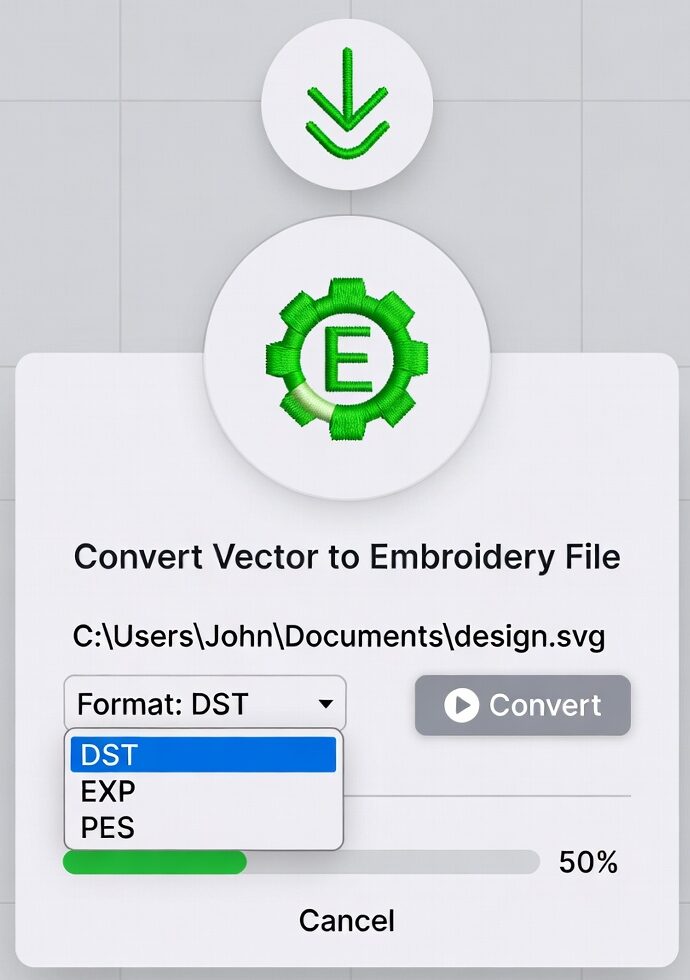
The artwork is converted into embroidery software where stitch paths and directions are added.
3. Adjusting Stitch Settings
Proper density, underlay, and stitch type are selected to ensure durability and clarity.
4. Testing the Design
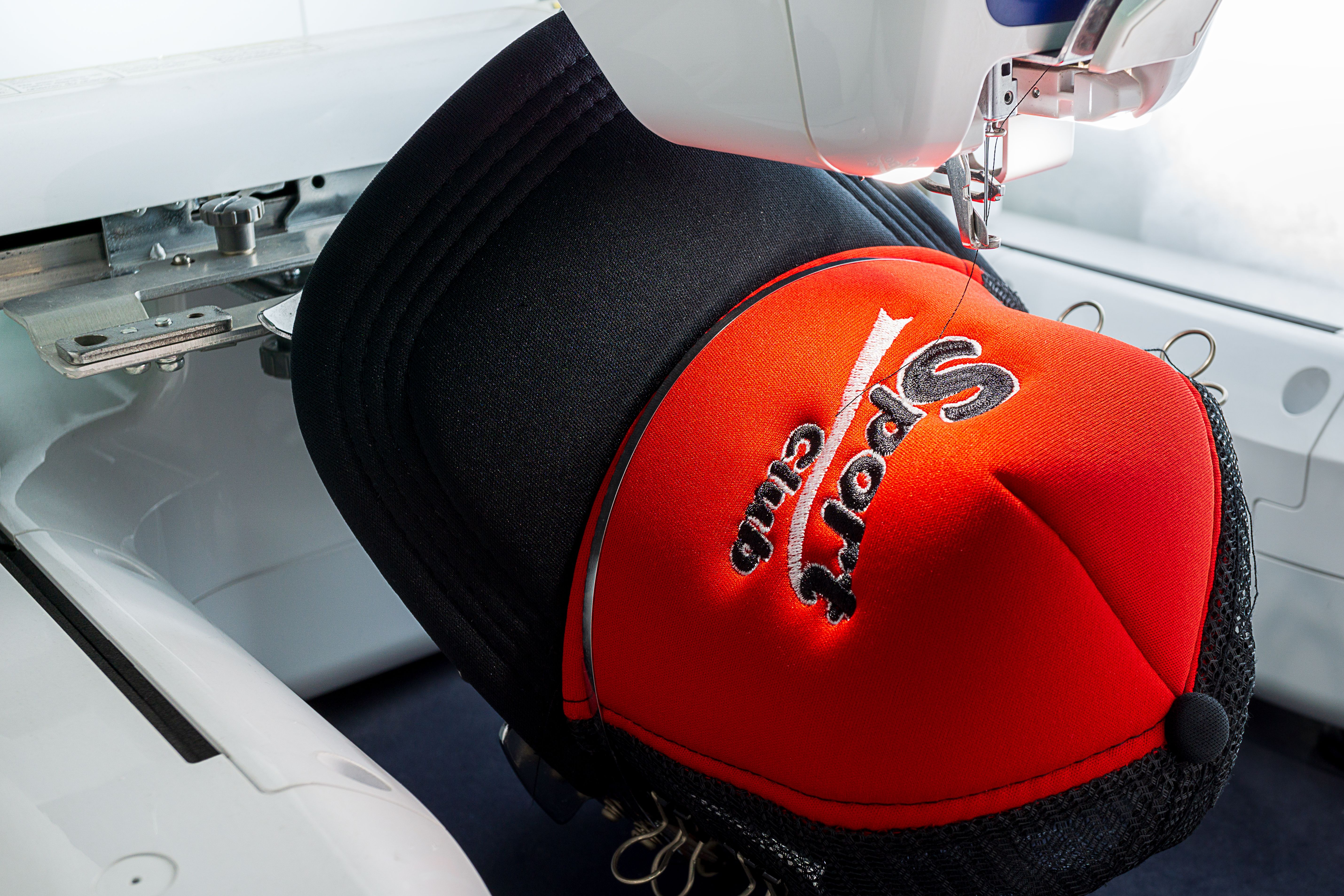
A sample stitch-out is often tested to ensure the design appears correctly on the chosen fabric.
This structured process ensures that the finished embroidery looks professional rather than distorted or uneven.
Traditional Pattern Design vs Modern Embroidery Methods
In earlier embroidery techniques, patterns were often transferred directly onto fabric using tracing or printed templates. While this approach allowed artistic freedom, it required significant manual skill and time.
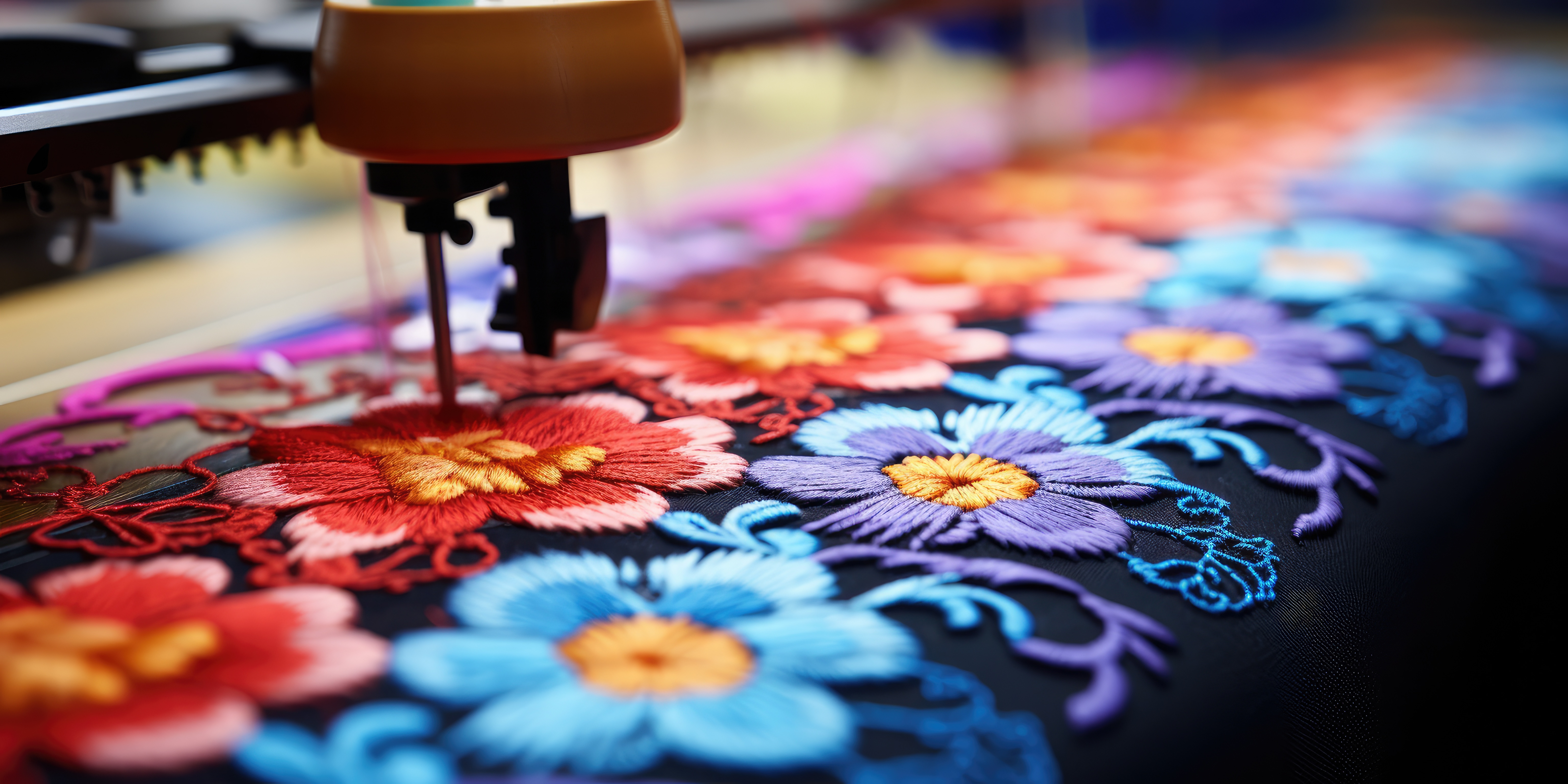
Modern embroidery design, however, relies on digital tools to create custom embroidery patterns with greater precision. Designers can preview stitch results, adjust thread directions, and optimize patterns before stitching begins.
A comparison between the two approaches highlights the difference:
Traditional Pattern Design
- Manual sketching and tracing
- Greater dependence on hand-stitching skills
- Limited scalability for commercial production
Modern Embroidery Pattern Creation
- Digital artwork conversion
- Machine-ready stitch instructions
- Faster production and consistent results
While traditional methods emphasize craftsmanship, modern techniques offer efficiency and scalability, especially for businesses producing embroidered products in bulk.
Why Custom Embroidery Patterns Matter
Custom embroidery patterns play a crucial role in both personal and commercial embroidery projects. They ensure that each design is tailored to its purpose and fabric type.
Here are a few reasons why they are important:
1. Unique Brand Identity
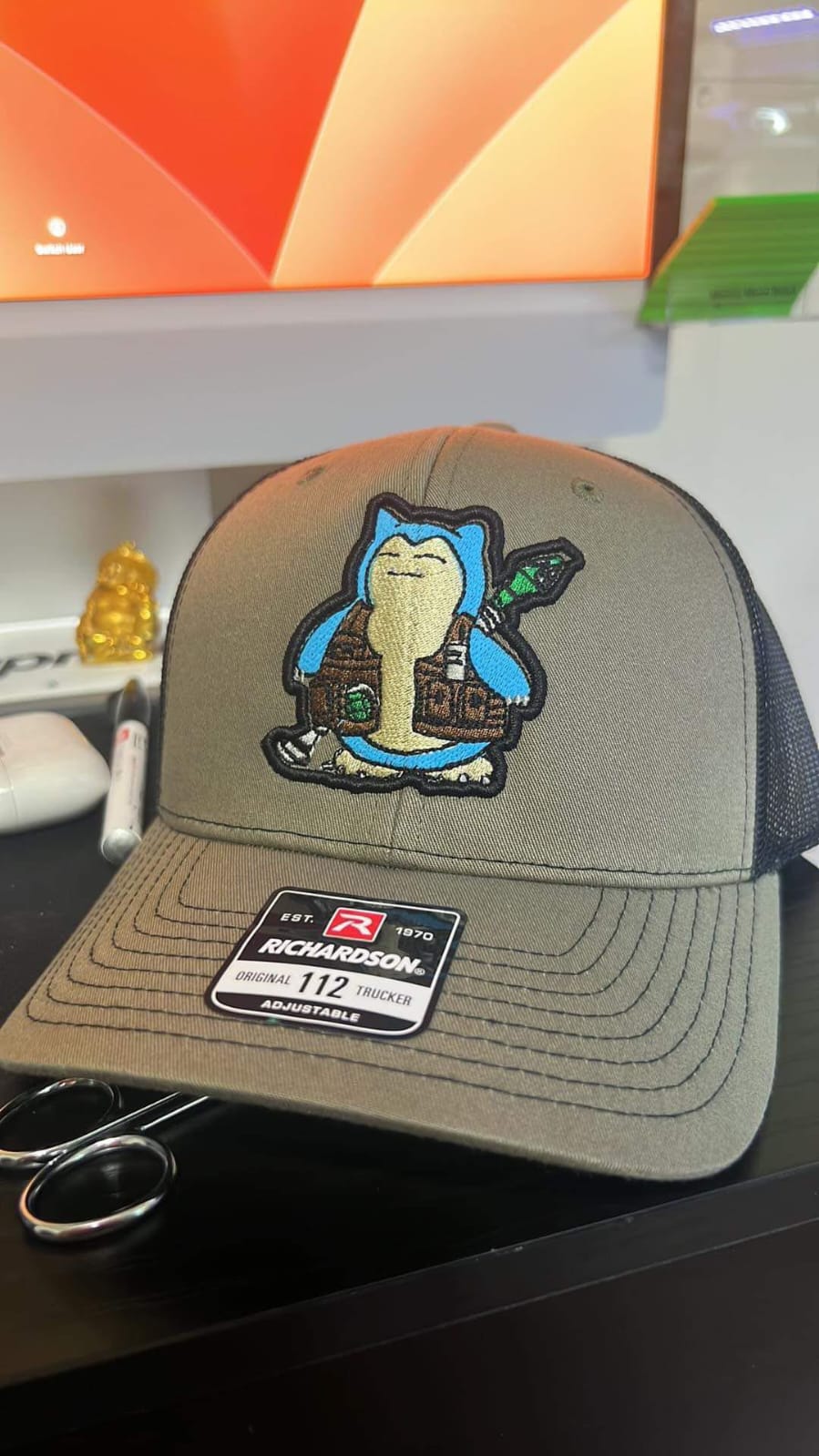
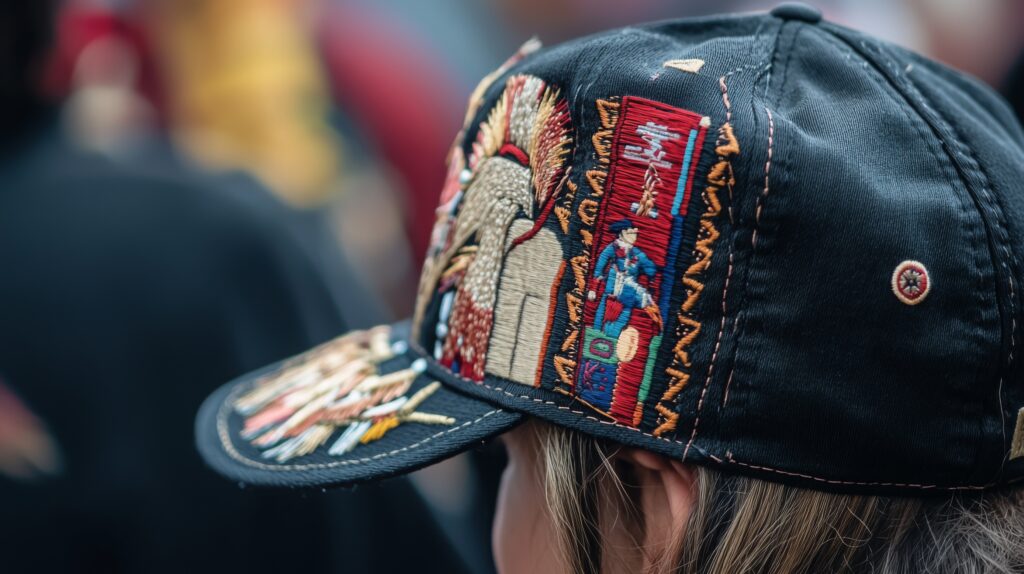
Businesses often rely on embroidery to display logos on uniforms, hats, and promotional items. A custom pattern ensures the logo appears crisp and recognizable.
2. Design Accuracy
A well-digitized embroidery pattern preserves the details of the original artwork.
3. Fabric Compatibility
Different fabrics require different stitch densities and techniques. Custom patterns account for these variations.
4. Consistent Results
Once a pattern is digitized, it can be reused for multiple items while maintaining consistent quality.
Tips to Create Custom Embroidery Patterns Successfully
Designing a high-quality embroidery pattern requires careful planning. Here are several tips that help improve the results:
Keep Designs Simple
Complex artwork with tiny details may not translate well into stitches.
Choose Suitable Stitch Types
Different parts of a design may require satin stitches, fill stitches, or running stitches.
Consider Fabric Type
Stretch fabrics require different stitch settings compared to thick fabrics like denim.
Test Before Production
Always perform a sample stitch to identify potential design issues.
These steps ensure the final embroidered design looks balanced and professional.
FAQs
What is a custom embroidery pattern?
A custom embroidery pattern is a specially prepared design that includes stitch instructions, thread colors, and directions so an embroidery machine or artisan can recreate the artwork accurately on fabric.
Why is digitizing important for embroidery patterns?
Digitizing converts artwork into stitch data that embroidery machines can read. Without digitizing, machines cannot accurately reproduce the design.
Can beginners create custom embroidery patterns?
Yes. Beginners can start with simple designs and use embroidery software or manual sketching methods to develop patterns.
What Artwork Translates Best into Embroidery Designs
Simple, bold designs with clear shapes usually produce the best embroidery results because they translate well into stitches.
How long does it take to create an embroidery pattern?
The time depends on design complexity. Simple patterns may take under an hour, while detailed designs may require several hours of digitizing and testing.
Final Thoughts
A custom embroidery pattern bridges the gap between creativity and craftsmanship. Whether the design begins as a doodle, digital illustration, or logo concept, the process of transforming it into an embroidery pattern requires technical precision and artistic understanding.
Modern embroidery tools have made it easier to create custom embroidery patterns, allowing designers to produce consistent, high-quality stitched artwork. However, successful embroidery still depends on thoughtful design choices, proper stitch planning, and testing on the right fabric.
By combining creative ideas with careful pattern preparation, embroidery can turn even the simplest concept into a striking stitched design that lasts for years.